Mold Prevention for Rehoboth Homeowners: Seasonal Maintenance Tips
Rehoboth’s humid summers and damp falls create the perfect breeding ground for mold. As local remediation experts, we’ve seen firsthand how seasonal maintenance can stop mold before it starts. Here’s how to protect your home year-round with proactive, trade-tested strategies.
Why Rehoboth’s Climate Demands Year-Round Mold Vigilance
Our region’s high humidity and temperature swings accelerate mold growth on organic surfaces like wood, drywall, and insulation. Even minor water intrusion can spiral into a full-blown infestation if left unchecked.
Coastal proximity and seasonal storms in areas like Seekonk and Taunton compound the risk, especially in basements and crawl spaces. Mold doesn’t take a season off—neither should your prevention efforts.
Spring: Tackling Moisture from Snowmelt and Rain
Spring thaws and April showers saturate the soil around your foundation. Ensure downspouts extend at least 5 feet from your home and slope away from the structure to prevent water pooling.
Inspect your basement and crawl space for standing water or damp spots. A sump pump or French drain may be necessary in low-lying neighborhoods near Dighton or Swansea.
A musty smell often signals hidden mold in walls or under flooring. Address it immediately—by the time you see visible growth, the problem has likely spread.
Summer: Battling Humidity and Poor Ventilation
Rehoboth summers push indoor humidity levels above 60%, the threshold where mold thrives. Run dehumidifiers in basements and crawl spaces, emptying them regularly to maintain levels below 50%.
Attics are another hotspot. Ensure soffit and ridge vents are unobstructed to allow hot, moist air to escape. Poor attic ventilation can lead to condensation and mold on rafters and sheathing.
Fall: Preparing for Dampness and Leaf Debris
Falling leaves and organic debris clog gutters and trap moisture against your roof and siding. Clean gutters before winter and trim back trees to improve airflow and sunlight exposure.
Check for gaps in your home’s exterior, especially around windows, doors, and utility penetrations. Seal them with caulk or weatherstripping to keep moisture—and mold spores—out.
Winter: Preventing Condensation and Ice Dams
Poor insulation and air leaks cause warm indoor air to meet cold surfaces, creating condensation—a prime mold trigger. Add insulation to attics and exterior walls, and use vapor barriers in crawl spaces.
Ice dams on roofs can force water under shingles, leading to hidden leaks and mold in attics. Ensure your attic is properly ventilated and insulated to prevent uneven roof temperatures.
In high-risk areas like basements and bathrooms, opt for mold-resistant drywall, paperless insulation, and moisture-proof flooring to limit growth opportunities.
Crawl Spaces and Basements: The Most Vulnerable Areas
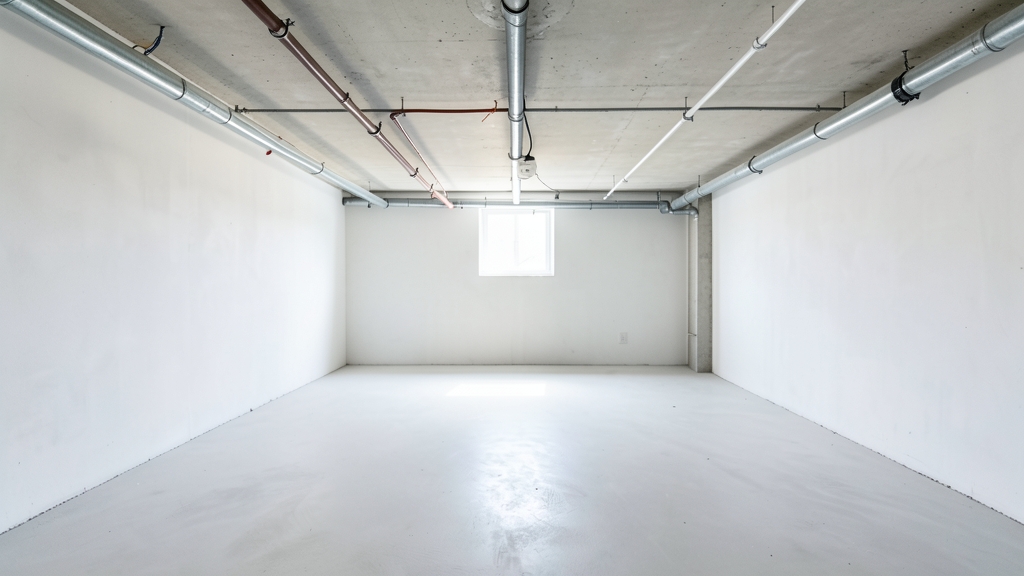
Unfinished basements and crawl spaces are ground zero for mold due to direct contact with moist soil. Install a vapor barrier over dirt floors and consider encapsulation for a complete moisture seal.
In East Providence and similar low-lying areas, a perimeter drain system tied to a sump pump can be a game-changer for keeping water out. Regularly check for efflorescence—a white, chalky residue indicating moisture migration.
| Problem | Solution | Best For |
|---|---|---|
| Standing water | Sump pump + French drain | Chronic flooding or high water table |
| Damp soil | Vapor barrier (6 mil polyethylene) | Unfinished crawl spaces |
| Poor airflow | Encapsulation + dehumidifier | Sealed crawl spaces |
| Condensation on walls | Insulation + vapor barrier | Concrete or block foundations |
Attic Mold: Silent but Costly
Attic mold often goes unnoticed until it’s severe. Look for dark staining on wood or insulation, especially near roof leaks or poorly vented bathrooms below.
Improperly vented appliances like dryers or bathroom fans can dump moisture directly into attics. Always vent these systems outside, not into the attic space.
Heavy storms can compromise roof integrity. After major weather events, check your attic for water stains or damp insulation—early signs of potential mold.
When to Call a Professional for Mold Inspection or Remediation
If you discover mold covering more than 10 square feet, or if it’s in your HVAC system, it’s time to call in experts. DIY fixes often miss hidden growth in wall cavities or ductwork.
Our team uses moisture meters, thermal imaging, and air quality testing to pinpoint issues. For commercial properties or large residential infestations in Rehoboth or surrounding areas, professional remediation ensures safety and thoroughness.
How to Conduct a DIY Mold Inspection
A thorough inspection can catch problems early—here’s how to do it right.
- 1Gather Your Tools
Use a flashlight, moisture meter (if available), and a notepad to document findings. Wear gloves and an N95 mask to avoid exposure to spores.
- 2Check High-Risk Areas
Focus on basements, crawl spaces, attics, bathrooms, and around windows. Look for discoloration, water stains, or musty odors.
- 3Inspect Hidden Spaces
Move furniture and storage items to check walls and floors underneath. Pay special attention to areas behind appliances and under sinks.
- 4Test for Moisture
Use a moisture meter to check for elevated levels in drywall, wood, or insulation. Even if mold isn’t visible, high moisture indicates a risk.
- 5Document and Act
Take photos of any issues and note their locations. If you find mold or moisture, address the source immediately or request a quote from a professional.
Frequently Asked Questions
How often should I check for mold in my Rehoboth home?
We recommend a visual inspection every season, with a deeper check before winter and after major storms. High-risk areas like basements and attics may need monthly attention during humid months.
Can I use bleach to clean mold?
Bleach only works on non-porous surfaces like tile or glass. On drywall or wood, it doesn’t penetrate deep enough to kill the roots. For porous materials, use a dedicated mold remediation product or consult a professional.
What’s the difference between mold testing and mold inspection?
A mold inspection is a visual and moisture assessment to locate issues. Mold testing involves air or surface samples analyzed in a lab to identify spore types and concentrations. Both are valuable, but testing is critical for confirming hidden problems.
Why is mold more common in older Rehoboth homes?
Older homes often lack modern vapor barriers, proper insulation, or adequate ventilation. Aging plumbing and roofs are also more prone to leaks, creating ideal conditions for mold growth.
Does homeowners insurance cover mold remediation?
Coverage varies widely. Most policies exclude mold unless it’s a direct result of a covered peril, like a burst pipe. Review your policy and document any water damage immediately to improve your chances of a claim.
Are there signs of mold even if I can’t see it?
Absolutely. Unexplained allergies, musty odors, or condensation on windows can all indicate hidden mold. If symptoms persist, a professional inspection with air quality testing can reveal what’s lurking out of sight.